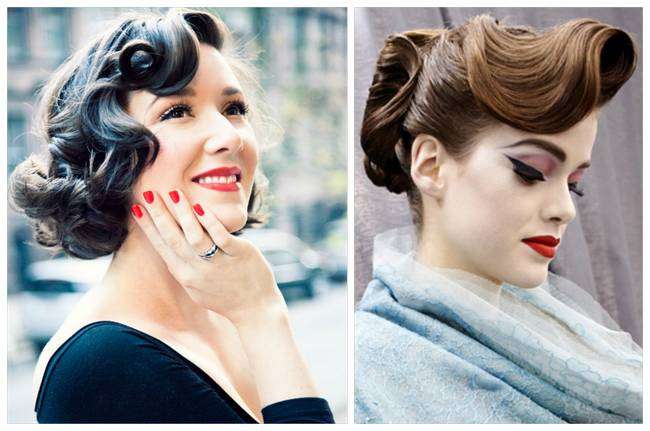
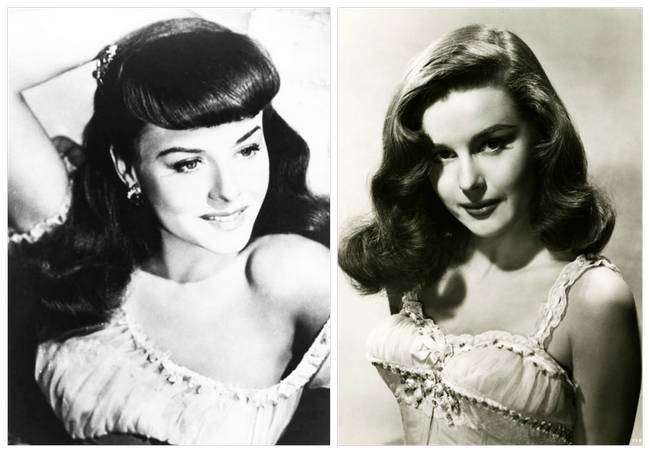
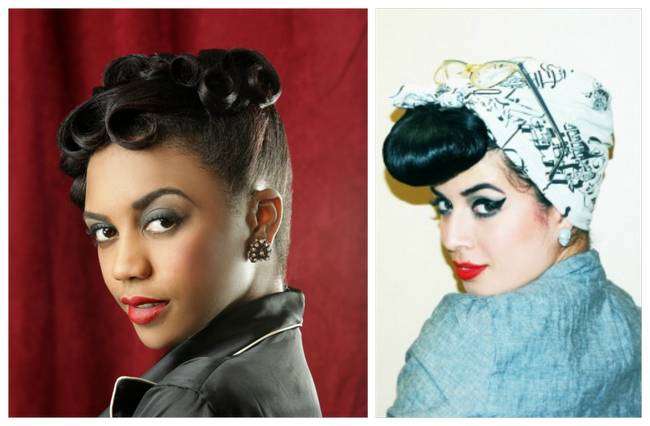
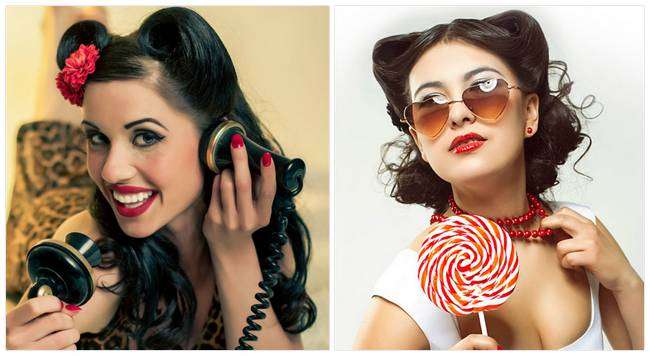
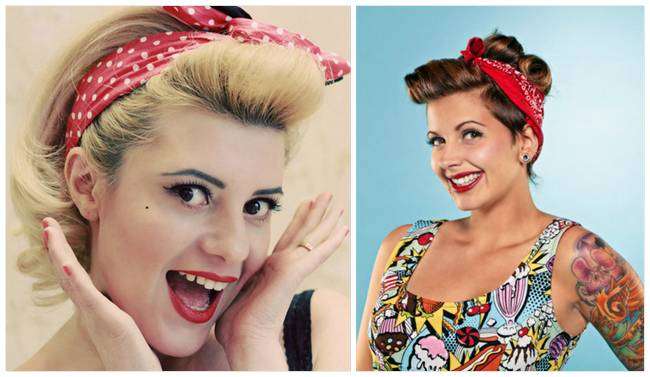
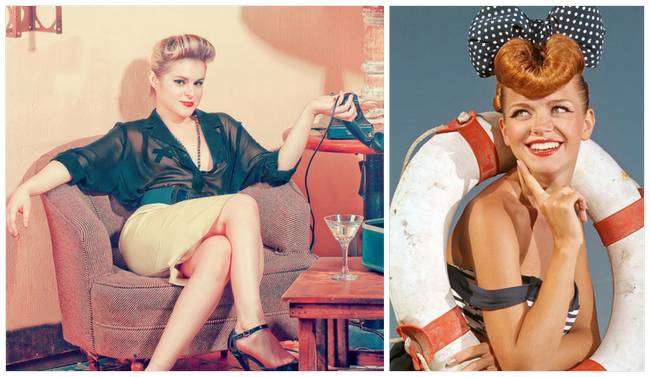
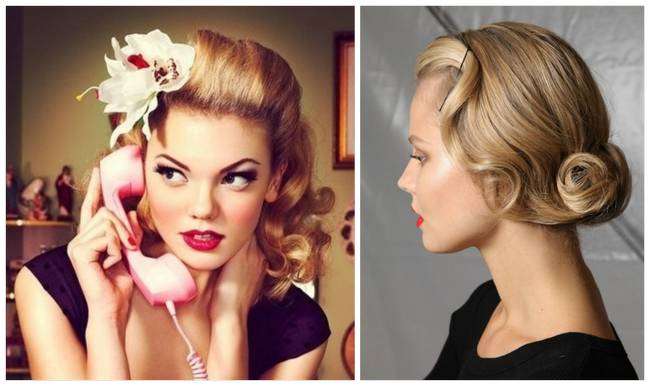
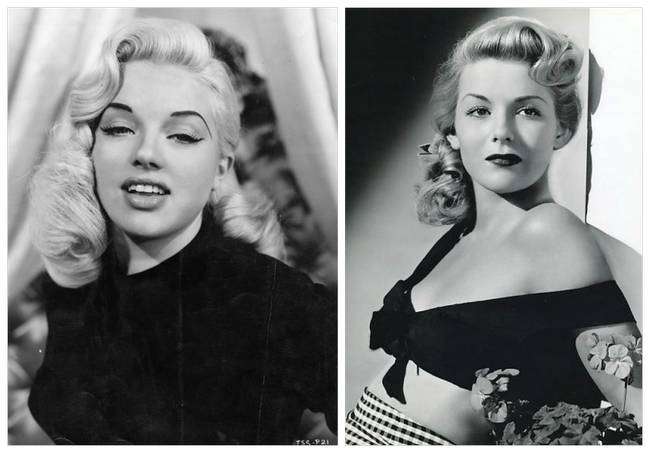
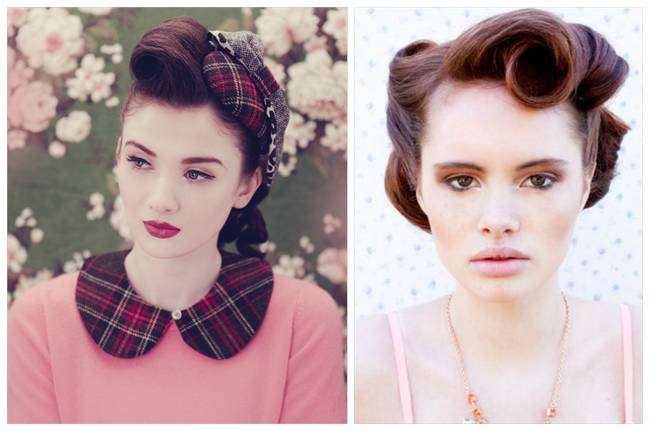
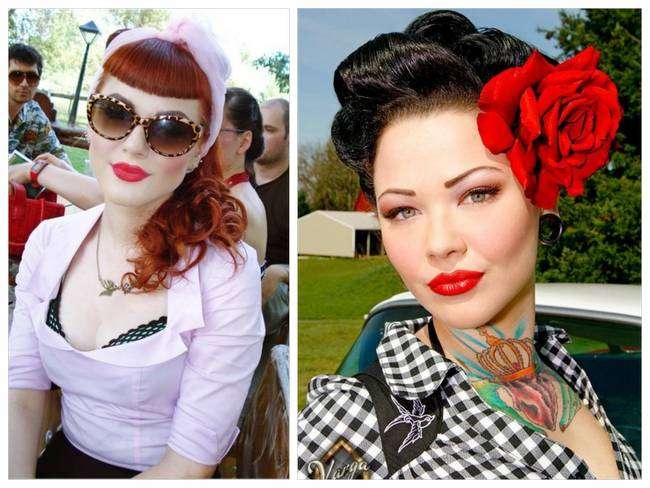
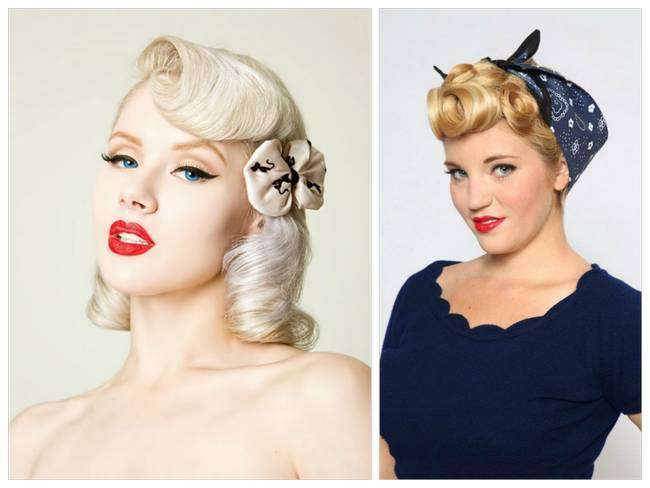
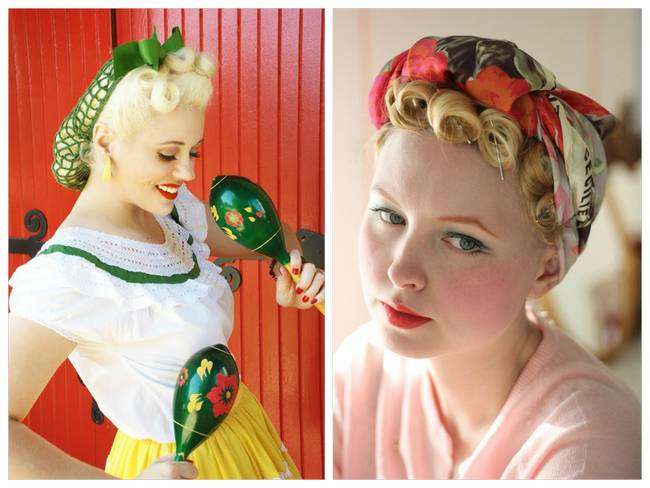
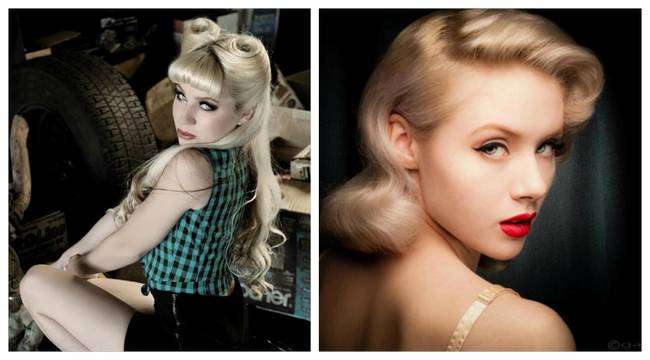
Somewhere around 1943, if you walked into a factory, a diner, or a dance hall, you were likely to be greeted by a whole menagerie of hairstyles that look like they were sculpted by an artist who never met a strand of hair it couldn’t stand up. Victory rolls perched like little clouds. Finger waves combed down the side of a head like rippled silk. Hair was pulled back so tightly and neatly that a woman could bend over a machine all day and never let one fall in her eyes.
It looks effortless now. It wasn’t. A lot of it was water, setting lotion, patience, and a whole lot of pins. And a good chunk of it was necessity.
Why 1940s hair looked the way it did
You can’t understand the hairstyles without the history, and the history is simple: the war changed everything.
When the men left for Europe and the Pacific, the women filled the factories, the offices, and the airfields. Rosie the Riveter began as a song and a poster, but she stood for millions of real women who took factory jobs for the first time. Real women needed their hair held firmly away from spinning machinery and flying sparks. At the same time, rationing made hair products scarce, and many women washed their hair less often than they used to.
So the whole art of the set exploded. A woman would dampen her hair, apply setting lotion or gel, and shape it into pin curls or finger waves, pin it all down, and leave it — often overnight, often under a hooded dryer — until it dried into a style that would last. A good set held for many days, refreshed with a spritz of water and a little gel. That’s the secret nobody talks about: 1940s glamour was mostly a good set and the discipline to leave it alone.
Then there was the glamour, because women weren’t going to give up being feminine just because the world had gone to hell. Hollywood sold a particular kind of elegance that gave women something to aspire to — a way to feel polished and feminine despite the hardship. And fabric rationing turned headscarves and bandanas from utilitarian into iconic.
The attitude of the decade was “make do and look good anyway.” That’s the energy you’re chasing. Here’s how to get it.
What you’ll need
You don’t need period-accurate antiques, but a few tools make the difference between “styled” and “stuck.” Here’s what actually matters:
- Setting product. Period styles were built on setting lotion, gel, or jelly. Today a strong-hold gel, hair jelly, or a firm mousse does the job. You want hold without the heavy crunch.
- Pin curl clips. The little metal “duckbill” or “mole” clips that clamp hair to the scalp. These are non-negotiable for rolls, waves, and pin curls.
- Pin curl mice or small rollers. For the tight spiral curls that fill out a style.
- A wave brush. A soft-bristled, fine-toothed brush for combing finger waves into the scalp.
- A tail comb. For clean partings and precise placement.
- Hairpins and bobby pins. Lots of them. You will use more than you think.
- Hairnets, snoods, headscarves, and bandanas. For the practical-and-chic finishes.
A shortcut worth knowing. If you have straight or fine hair that won’t hold a set, a permanent wave (a “perm”) was the 1940s answer, and it’s still the fastest way to get lasting wave or curl today. Get a small-wave or body-wave perm and you can finger-style most of these looks from there.
The hairstyles, step by step
Victory Rolls
The signature look of the decade — two rolls sitting just above the forehead, with curls or waves falling behind. It reads as both tough and gorgeous.
- Part your hair where you want the rolls to sit, usually a center or deep side part.
- Take a section at the front, comb it smooth, and roll it forward and up toward the scalp into a tight tube — like rolling a little log against your head.
- Fold the roll flat against your scalp and pin it securely at the base with two or three clips, crossing them for grip.
- Repeat on the other side. The rolls should lie close and neat, not stick up like antennae.
- Set the rest of your hair in pin curls or large rollers for soft waves behind.
Why it worked: it kept all the hair off your face and off your work while still looking dressed up. Roll it too loose and it looks like a bad hair day; too tight and it looks like a helmet. Aim for a smooth, snug roll that hugs the head.
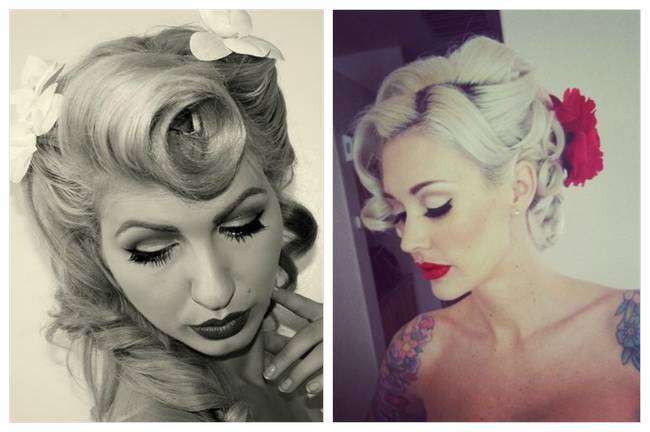
Finger Waves
The sleek, art-deco S-shaped waves combed flat against the head, most famous on the shorter “finger wave bob.” Elegant, precise, and unforgiving of a sloppy hand.
- Start with damp hair coated in gel or jelly so it’s slippery and holdable.
- Using your thumb and index finger as a “W” shape, push a section of hair into an S-curve pressed flat against the scalp.
- Hold the shape and slide a clip in behind the curve to lock it, then continue down the head, overlapping each wave into the next.
- Let it dry completely before you remove the clips — pulling them out damp ruins the wave.
Why it worked: it was the ultimate “controlled” look, and on shorter hair it meant zero tangles and zero fall-out. The trick is keeping every curve the same size and pressing each one flat.
Pin Curls
The workhorse behind almost every 1940s style. Pin curls are how you built lasting wave and curl before blow-dryers, and they’re the foundation to learn first.
- Take a small section of damp, product-coated hair.
- Wrap it around your finger into a flat coil, then fold or flatten the coil against your scalp.
- Secure it with a pin curl clip, pointing the clip the direction you want the curl to open.
- Cover your whole head, then let it air-dry overnight or sit under a hooded dryer.
- Remove the clips, finger-comb the curls together, and sweep into whatever style you want.
Why it worked: a head full of pin curls, once released and brushed, gives you a full, uniform wave that lasts for days. This is the move that made “wash and go” unnecessary.
Pompadour & Quiff
Hair swept up and away from the forehead with big volume at the front. Hugely popular with men (the “quiff” and the men’s victory-roll style) and with women who had enough length to build height.
- Part the top section and backcomb the base lightly for volume.
- Sweep the front hair up and back, shaping it into a high, forward roll or lift.
- Pin or set it in place, then set the rest of your hair in waves or curls.
Why it worked: height in the front read as confident and polished, and it kept the forehead clean. The key is building volume at the root before you sweep — flat roots kill a pompadour.
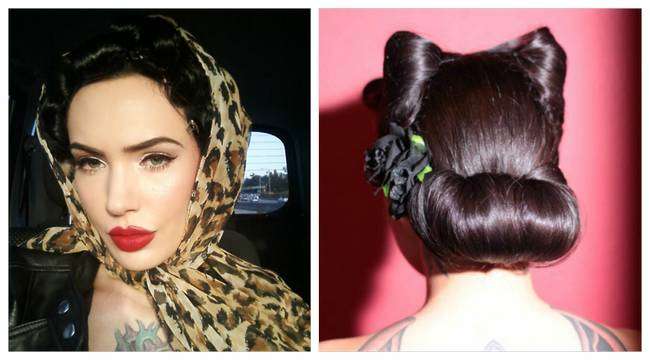
Gibson Roll
A quieter, more romantic look: long hair gathered into a low, wide coil at the nape of the neck, usually with soft waves or curls framing the face. Named for Charles Dana Gibson’s “Gibson Girl” illustrations of the turn of the century — the 1940s revived it as a nostalgic, elegant style.
- Gather all your hair low at the nape, as if making a low bun.
- Instead of a tight bun, roll the hair out into a wide, flat coil and pin it securely.
- Leave soft waves or curls loose around the face and shoulders.
Why it worked: it was the “dressed-up but done” style — neat enough for work, soft enough for a date. Keep the coil wide and flat; a tight, high knot reads as a bun, not a Gibson roll.
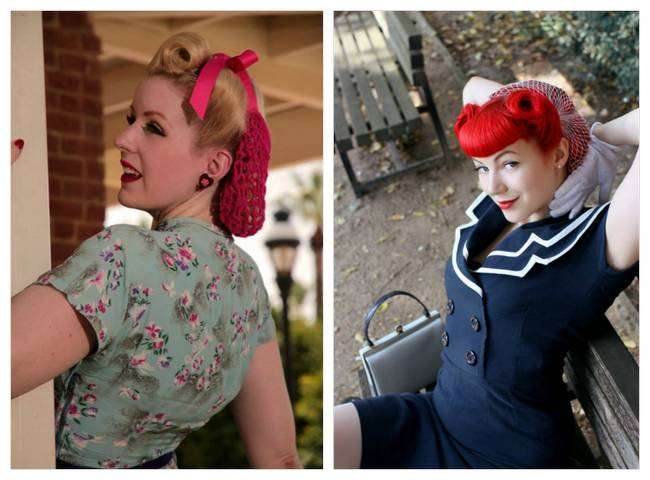
Snood
A snood is a net or pouch that scoops all your hair back into a low bundle at the nape. It was born from necessity — the factory worker’s answer to loose hair — and then became a fashionable accessory in its own right.
- Brush all your hair back smoothly into a low position at the nape.
- Stretch the snood open and slide it over your head, gathering the hair into the pouch.
- Tuck any ends in and adjust so it sits low and neat.
Why it worked: total containment with zero pins and seconds to put on. It’s the practical cousin of the victory roll, and it still looks chic today.
Short Bob with Waves or Curls
A bob set into finger waves or soft curls, usually finished with a bandana, ribbon, or decorative clip. Fresh, modern, and easy to maintain.
- Set the bob in pin curls or finger waves while damp.
- Dry completely, then release and shape with your fingers.
- Add a headscarf, bandana, or clip to finish.
Why it worked: shorter hair was the practical reality of the war, so women made it glamorous. A well-set bob proves you don’t need length to look polished.
Victory Rolls with a Bandana
The iconic wartime look: victory rolls up front, a bandana tied back to catch any loose hair at the rear. Stylish and functional in one move.
- Do your victory rolls first (see above).
- Fold a bandana into a band and place it starting at your hairline.
- Pull the loose hair at the back into it and tie it at the top or side of your head.
Why it worked: the bandana did real work — holding hair down, catching grease and dust — while adding a splash of color and pattern. It’s the perfect example of the decade’s “useful and beautiful” ethos.
Making the set actually last
This is the part that separates a 1940s look from a 2020s look that’s pretending. The hold comes from the set, not the spray.
- Set it right. Hair has to be damp (not dripping) and coated in product, shaped tightly against the scalp, and left until it’s completely dry before you unpin it. Unpinning damp hair is the fastest way to lose everything.
- Be patient. Overnight setting under a silk scarf, or a few hours under a hooded dryer, is what gives the lasting hold. Rushing it is where most modern recreations fail.
- Refresh, don’t redo. A spritz of water and a dab of gel on the edges brings a set back to life days later. You don’t have to start over.
Mistakes that actually happen
- Too much product. A stiff, sticky, flaky result reads as costume, not vintage. Use enough to hold, not enough to armor.
- Unpinning too early. If it’s even slightly damp inside, the set collapses. Wait until it’s bone dry.
- Rolls that stick up. Victory rolls should lie flat and snug. Loose, vertical rolls look like bad antennae.
- Ignoring your hair type. Fine hair needs backcombing at the root for volume and a light-but-firm hold; thick or coarse hair needs more product and more time to dry. Adjust, don’t copy.
- Forgetting the finish. A stray flyaway or a bandana tied wrong breaks the illusion. Smooth the edges and commit to the finish.
A note on doing it today
You don’t have to suffer through a week of stiff, unwashed hair to pull this off. Use a strong-hold gel or mousse for the set, backcomb lightly at the root for volume, and finish with a light spray to kill flyaways without turning your hair to glass. If you want the wave for good, a perm is the honest shortcut the 1940s women invented anyway. And remember: the goal isn’t to look like a costume, it’s to look like you, only a little more put-together and a lot more dramatic.
One last thing
These styles weren’t just about looking good. They were a way of saying, in the middle of a world falling apart, that you still mattered, that you still mattered enough to take ten minutes for yourself. That’s the real secret to pulling one off — wear it like you mean it, not like you’re wearing a hat.